Pride is Still a Protest
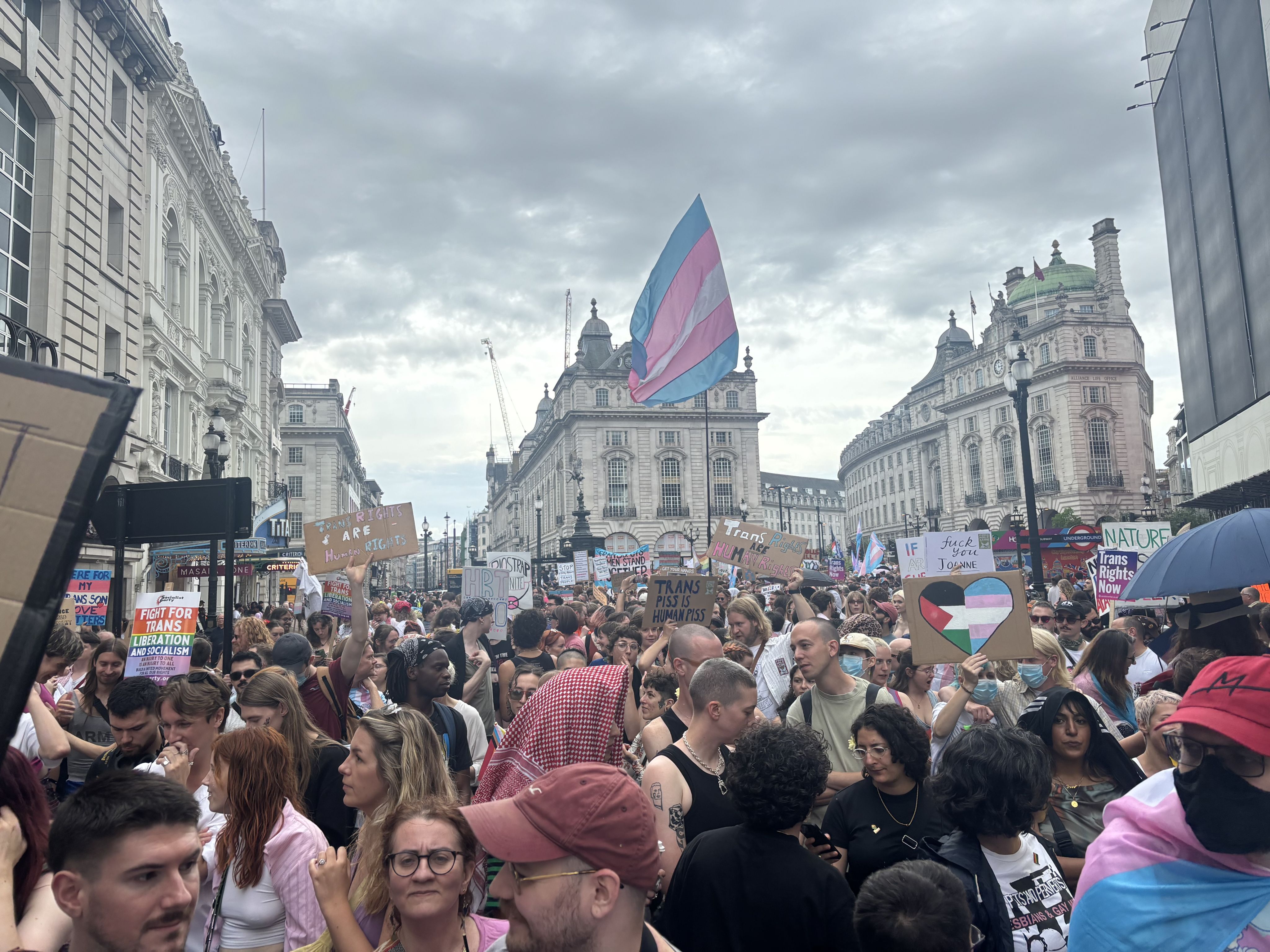

Queer people have always existed.
This sentiment has been featured in many Pride Parade chants, in part because it's true- the earliest recorded same-sex relationships can be traced back to Ancient Egypt- and because it stands as an important reminder that at the end of every piece of legislation directed at the LGBTQ+ community, there is a person on the other end of it whose life will be profoundly affected by this.
With transgender issues dominating UK headlines from hundreds of media outlets and LGBTQ+ rights increasingly becoming political talking points, I spoke to some of the people impacted by the rapidly changing attitudes towards queerness in the UK about how these changes have affected them and what being proud in the current climate means to them.
'
Kit's Story

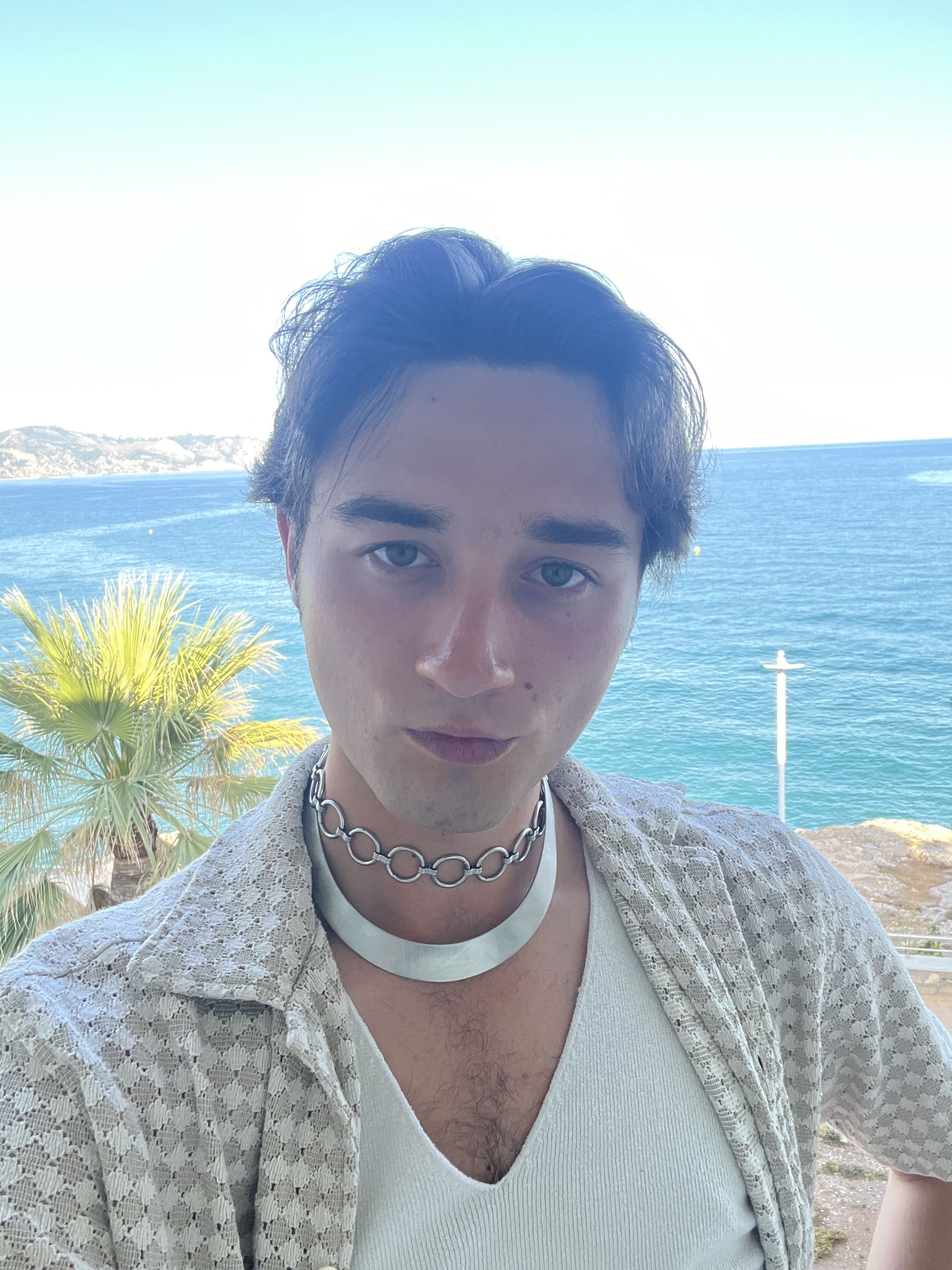
"It seemed like everyone knew I was gay before I did", said Kit Gidley, age 23. “In primary school everyone used to call me gay, in a very derogatory way. I had no idea what that meant and nothing really clicked at that age because you are so young,” he added, “but it all started to make sense on a holiday in year 7, when I found myself noticing the male lifeguards”.
Born and raised in a “small c-conservative” area on the outskirts of London, Kit’s journey with his sexuality had a rocky start. After confiding in a close friend before the new school year that he suspected he was gay, Kit found himself wanting to tell more and more people. “Once you say it, you don’t ever want the voice to stop,” he explained, “so I told some of my really trusted friends, but unfortunately by the end of that day, the whole school knew.”
What started with whispers and looks quickly escalated into bullying and harassment that was “so unbearable” that Kit transferred schools. “When I moved school, I told myself that I wasn’t going to tell anyone because the bullying before was so unbearable.” Kit said.
While this worked for Kit for a while, in Year 9 his friends discovered that he was gay via social media. “They confronted me and said, ‘We know you’re gay, we’ve been through your conversations, but don’t worry we won’t tell anyone’, and I believed that”, he said with some irony, “Until I fell out with one of them, and they outed me as revenge, and the same thing happened.”
Kit’s experience at school is one that will feel familiar to many LGBTQ+ young people. Research from Just Like Us in 2021, a charity for young LGBTQ+ people, indicates that LGBTQ+ students are twice as likely to be bullied than their straight and cisgender peers, with 28% of students who are ‘out’ facing bullying related to their sexuality or gender identity.
Furthermore, Just Like Us have found that LGBT+ young people are twice as likely to contemplate suicide and three times more likely to engage in self-harm behaviours. Having faced his own difficulties with mental health at school, Kit reflected on how the treatment he received at school impacted him;
“I do think that I had depressive moments”, he said. “At my first school, I do think there was an initial element of self-hate to it,” he added, “because when you’re that young, you’re led to believe this heteronormative view that homosexuality and queerness is abnormal, and almost a death sentence to some people. I remember thinking I was almost anti-biology, in some way.”
Things changed for Kit when he moved to Brighton to study Law at the University of Sussex. Widely considered to be the ‘gay capital of the UK’, Brighton has long been famous for its accepting attitude and thriving LGTBQ scene. “I felt a lot more free in terms of how I expressed myself”, Kit said, “and Brighton does have that really wonderful, accepting community where you can be who you want to be.”
"There's no pride in hiding who you are."
As a local, Kit was a regular attendee of Brighton Pride, the world-famous three-day Pride festival that takes over the whole city on the first weekend of every August. This year, Brighton Pride joined London, Birmingham and Manchester in banning the involvement of political parties in solidarity with the trans community, following the Supreme Court’s ruling that the term “woman” was defined by biological sex. This move has been part of a notable increase in transphobia and anti-LGBT sentiments, which have not gone unnoticed by members of the community.
This shift in attitude was acknowledged with the publication of ILGA-Europe’s Rainbow Map for 2025, which ranks all European countries on their legal and policy protections for LGBTQ+ people. This year, the UK dropped 6 places to 22ndin the wake of the Supreme Court ruling.
“I do feel quite frightened for members of my community”, he admitted, “particularly transgender and gender-non-conforming people, but I’m also a lot more wary for myself and aware of my surroundings. I’m more cautious, and I’m not saying I’m still masking myself but there is definitely an awareness of it that I didn’t have a couple of years ago.”
Regarding this shift in attitudes, Kit described the wave of transphobia and wider anti-LGBT sentiment as a “wildfire” situation. “One person behaves or speaks in a repugnant way and receives support from political or media figureheads, then people realise they now have a safe space for their bigotry, so they will do it to, especially to the mask of being online.”

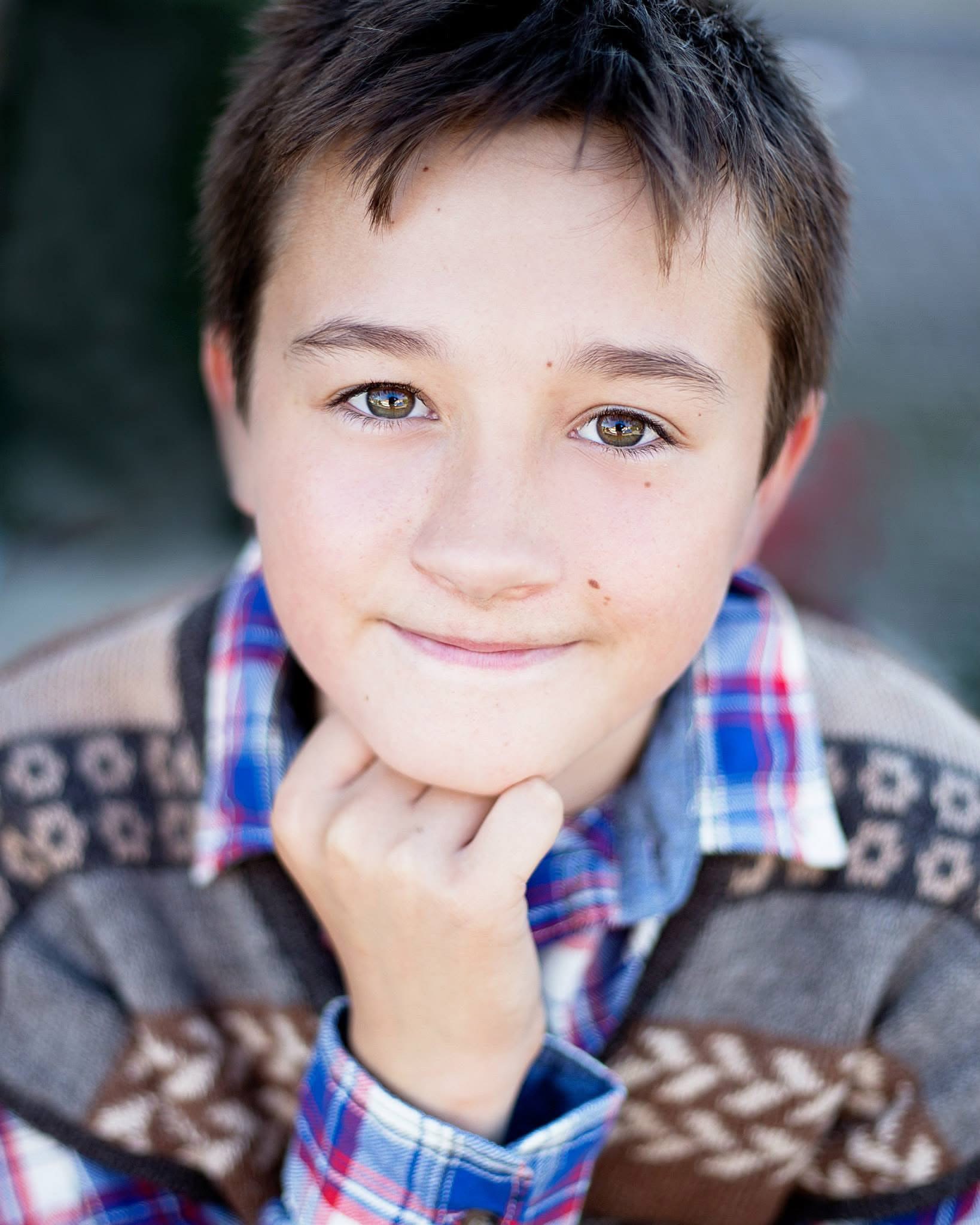
Kit aged 12
Kit aged 12

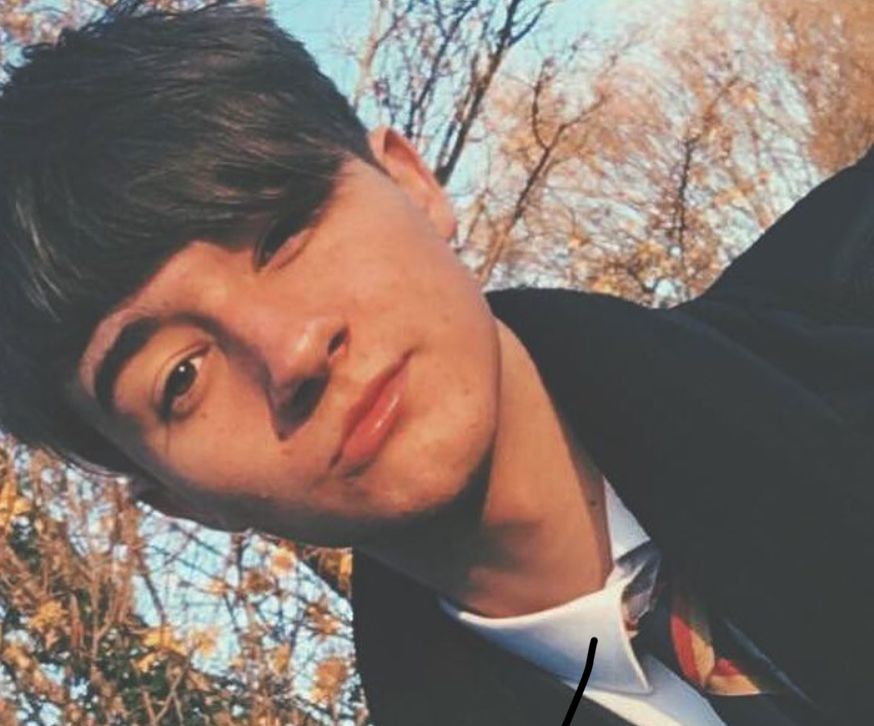
Kit aged 15
Kit aged 15

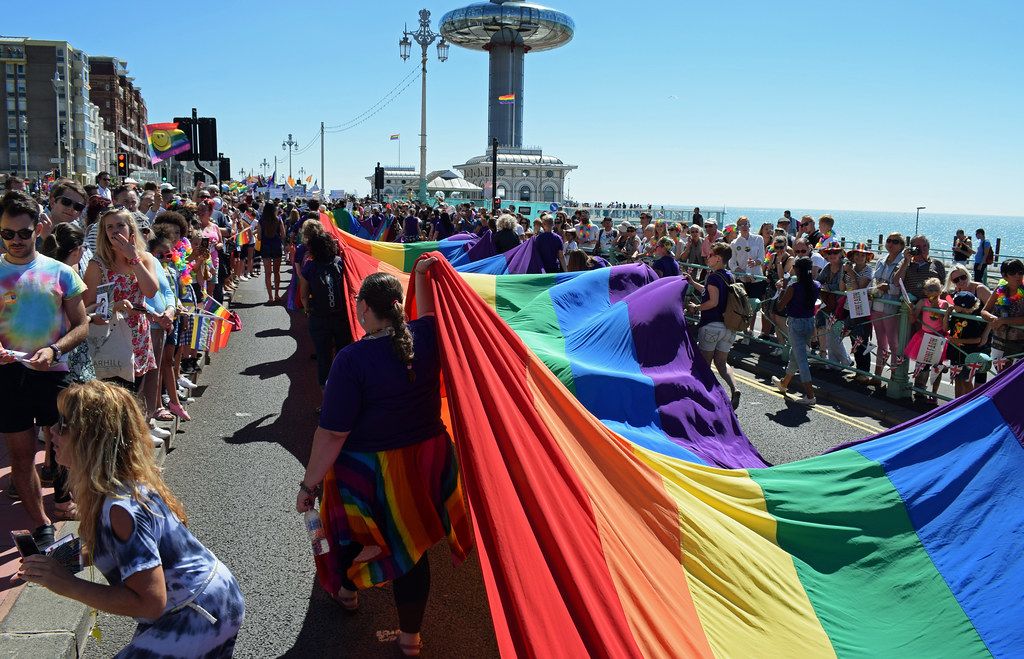
Brighton Pride 2016 (Image Credit: Mark Wordy via Flickr)
Brighton Pride 2016 (Image Credit: Mark Wordy via Flickr)
Kit talks about what pride means to him and the recent change in attitudes within the UK
Kizzy's Story

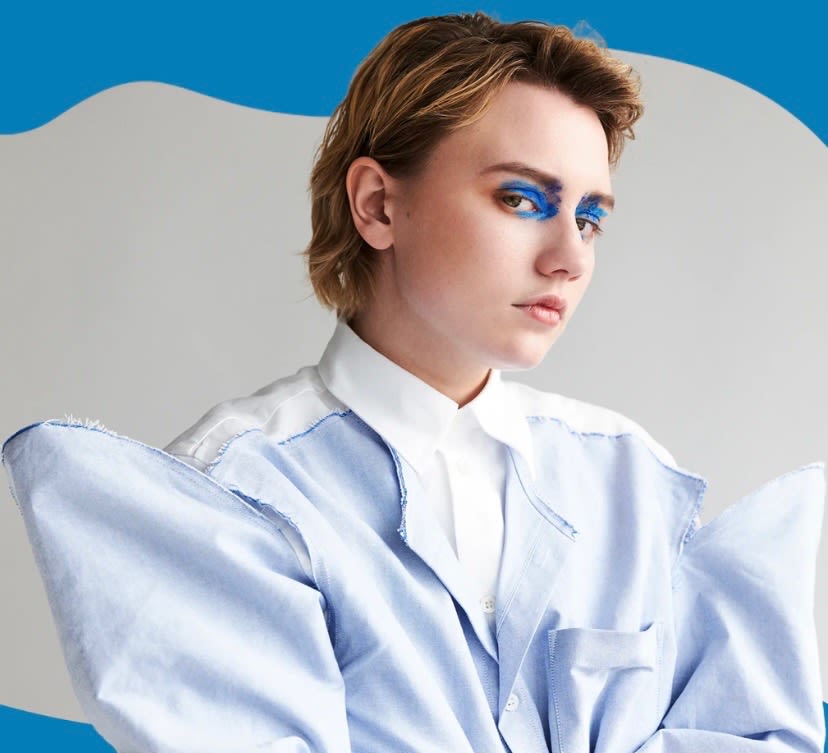
Actor Kizzy Edgell, aged 23, knew he was transgender from the age of 12.
“I told my mum that I didn’t feel like a girl or a boy and she said ‘well, everyone feels like that’, which is true to some extent”, said Kizzy. “I started using different pronouns with my friends, I had short hair, and for a while I was really quite comfortable with myself. But then, I guess the world got to me.”
Growing up in West London, for a while Kizzy ‘tried to be normal’ and became a hyper-feminised version of himself. As a self-confessed ‘emo kid’, Kizzy found friendships among other young people online, particularly the ‘spam Instagram’ who liked the same music, a lot of whom were also LGBTQ+.
A community that was at its peak in the mid 2010s, the ‘spam Instagram’ phenomenon united hundreds of young people across the world who were united by fandom and used their Instagram accounts to live post about their lives. Despite the distance, many of these teenagers, Kizzy included, would attend ‘meet-ups’ where they could all be together in person. A large number of the people Kizzy met through these events are still his friends today.
“It gave me a place away from home and school to help me figure stuff out,” Kizzy said. “The excuse for us all to hang out was that we all liked the same music, but really it was all kids who had a hard time fitting in at school or at home. It was a really strange yet lovely part of my adolescence because it felt like something that was mine”.
As an adult, Kizzy is best known for playing Darcy Olson in Netflix’s Heartstopper, an adaptation of the Alice Oseman graphic novels of the same name which follow the lives of a group of LGBTQ+ teens. Since its premiere in 2022, the show has generated a cult following of primarily young people across the world.
Kizzy’s character, Darcy, is a lesbian and, for the first two seasons of the show, is female-presenting. In season 3, however, Darcy comes out as non-binary, a moment influenced by Kizzy’s real-life transition.
“I thought about coming out at work a lot, but I figured since it’s a show about being queer that maybe it’d be fine, and it absolutely was,” he said. “I asked one of the production managers to change my pronouns on the call sheet, so I got to look at my name and pronouns next to each other every day. And the writer, Alice Oseman,was really understanding about the fact that I’d changed.”
Gender transitioning is a huge life change for anyone, but for Kizzy, as a young actor in one of Netflix’s biggest shows, it was also happening in the public eye. “It’s such a personal thing, and I did want to keep bits and pieces of it for myself,” he admitted. “There were definitely times, not on set but to do with other things, that I felt quite tokenised. There are parts that I do regret sharing because it’s so personal, like it’s the biggest life change ever, and I wish I’d had more time to feel more authentic doing it.”
Since transitioning, Kizzy has also found that the medical parts of his transition, including starting testosterone, has helped alleviate symptoms of pre-existing mental illnesses, including an eating disorder.
“Taking testosterone has helped me to get to a place of body neutrality”, he explained. “I don’t feel love, I don’t feel hate, it’s my body and it helps me get around. It’s also helped me to get stronger and improved my appetite, and I didn’t realise how much strength I was missing while I wasn’t eating right until I started eating right.”
Since beginning his medical transition, Kizzy has also concluded that much of the discomfort he felt in his body that he originally alluded to “not being thin enough” was actually due to gender dysphoria, something that according to studies is relatively common among trans people. “I also realised that when I was thinner, I appeared more masculine, so it was at least in part a way to appear more androgynous,” he explained, “but it’s really not something I think about anymore.”
Despite this positive change, Kizzy, like countless other trans people in the UK, is struggling with the recent increase in negative attitudes towards the community. “There was a time when it was genuinely okay to be trans, it was just weird,” reflected Kizzy, “and now we’re viewed as threats somehow, and I don’t know how we can fix it. It means your expression becomes really limited, and what once would feel joyful and fun and artistic becomes just scary.”
The increasingly negative discourse around trans rights from politicians and select media outlets has been compared to the media campaign against gay people during the 1980s AIDS crisis by individuals such as Olly Alexander, who starred in 2021 drama about the AIDS crisis, It’s A Sin. Speaking to TIME magazine about the parallels, Alexander said: “Looking through some of the headlines in the U.K. in the 1980s, about the ‘gay plague’ and ‘gay cancer,’ and the way that gay people were reported on is so shocking to me, “And when I look at headlines today, and the way trans people are reported on, it shocks me.” Similarities include headlines drawing concerns around children being ‘indoctrinated’ by ‘trans ideology’ drawing parallels to the rhetoric surrounding Section 28, and even social media users describing trans people as an ‘epidemic’.
“You ask yourself constantly, ‘is this something I disclose about myself?’, because it’s the same talking points. It's not a replication, but it’s a mirror,” Kizzy said.
“I don’t think a lot of people particularly care about trans people being alive,” he added, “we kind of aren’t viewed as people worth saving, and I find it so horrible to hear that it’s what some people think we deserve.”
Like Kit, Kizzy attributes this shift in attitude to a distinct lack of trust in the Government following the pandemic, the subsequent economic unrest that followed this period, and the lack of trust between citizens generated by “distraction politics” being employed by particular political figureheads and media outlets. “I guess nobody has faith in the government, or each other anymore,” he said, “and I think during the pandemic people got very online and stopped seeing other human beings as actual human beings.”
Although the change in attitude has been palpable to Kizzy and other trans individuals, his hope for the future comes from within the trans community itself. “I only really go to Trans Pride these days,” he explained, “and I always end up making a friend there. I love to see how much trans people look out for each other, because we know how hard it can be.”
London Trans Pride 2025, where Kizzy joined the trans youth charity Mermaids to march, had the highest attendance on record, with over 100,000 people joining the march. One such group was the youth movement Trans Kids Deserve Better, who Kizzy credits with being one of his biggest inspirations.
The group, formed exclusively of trans and gender-non-conforming under 18s, have attracted attention for their direct action and stunts to draw attention to trans issues and hold power to account, including releasing hundreds of live crickets into an LGB Alliance conference and leaving paper coffins outside Health Secretary Wes Streeting’s constituency office.
“I have a lot more hope since meeting them,” said Kizzy, “because they inspire me to notice my own power in the face of threats to autonomy, and how important protest is.”

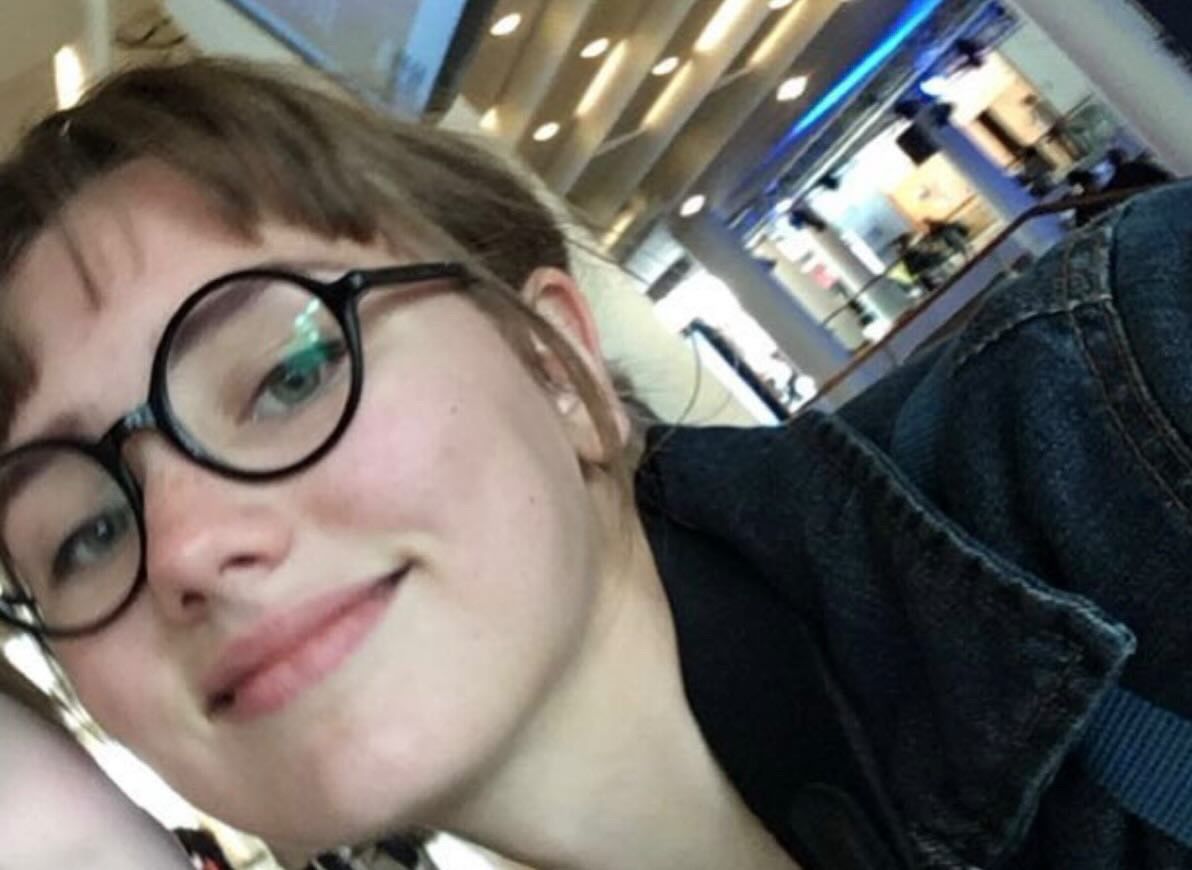
Kizzy aged 14
Kizzy aged 14

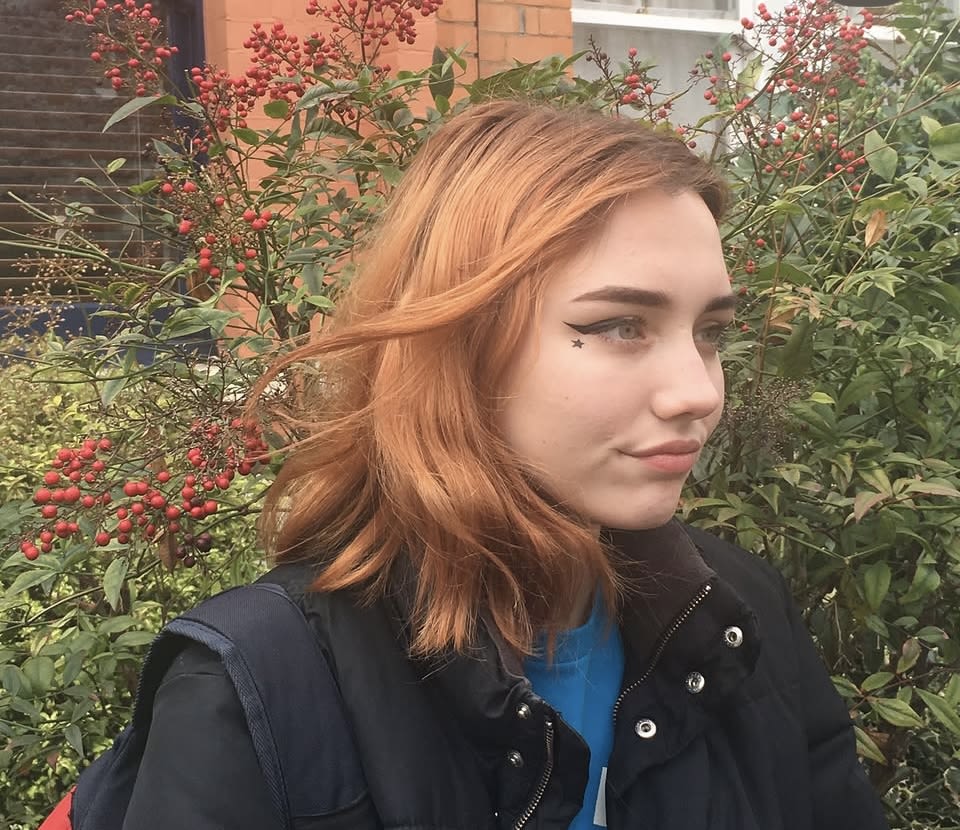
Kizzy aged 15
Kizzy aged 15
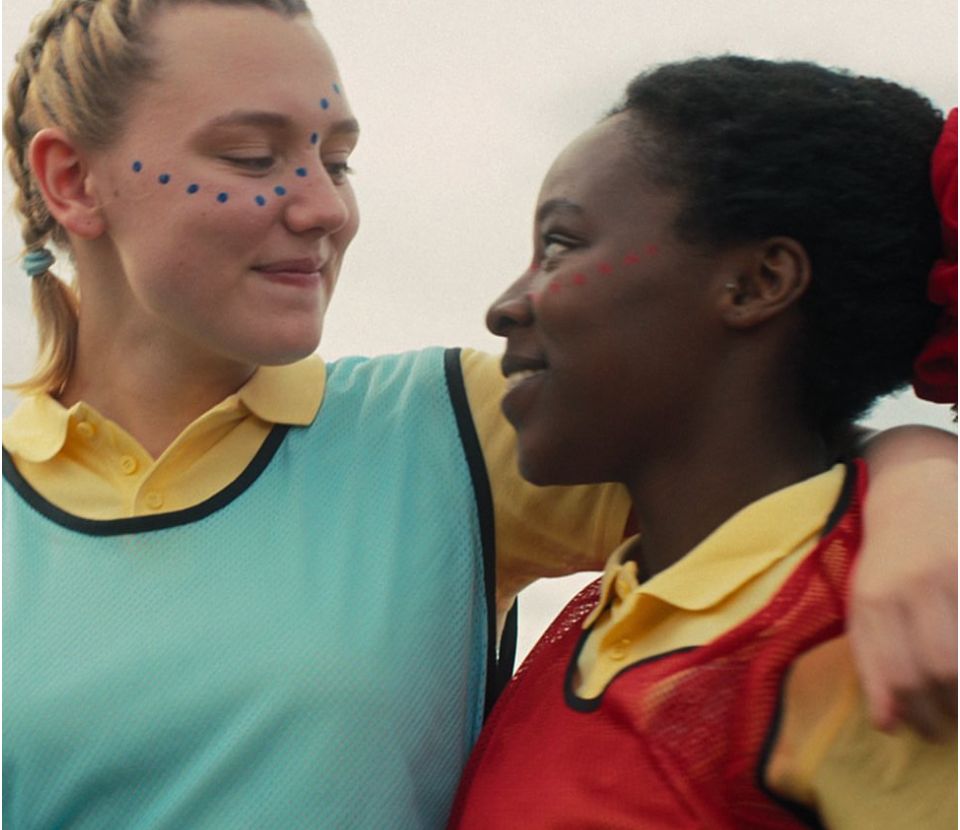
Kizzy as Darcy in season 1 of Heartstopper with Corinna Brown as Tara, Darcy's girlfriend (Photography: Samuel Dore)
Kizzy as Darcy in season 1 of Heartstopper with Corinna Brown as Tara, Darcy's girlfriend (Photography: Samuel Dore)

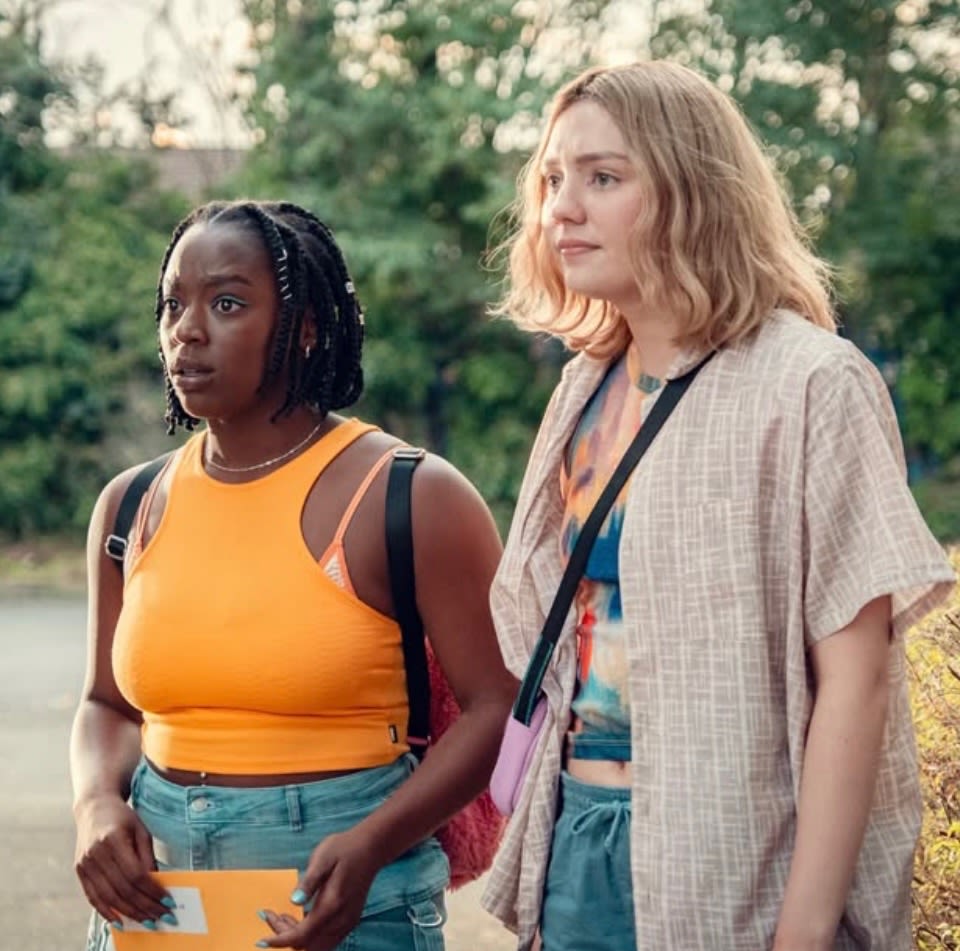
Kizzy as Darcy in Heartstopper season 3 with Corrina Brown as Tara (Photography: Samuel Dore)
Kizzy as Darcy in Heartstopper season 3 with Corrina Brown as Tara (Photography: Samuel Dore)

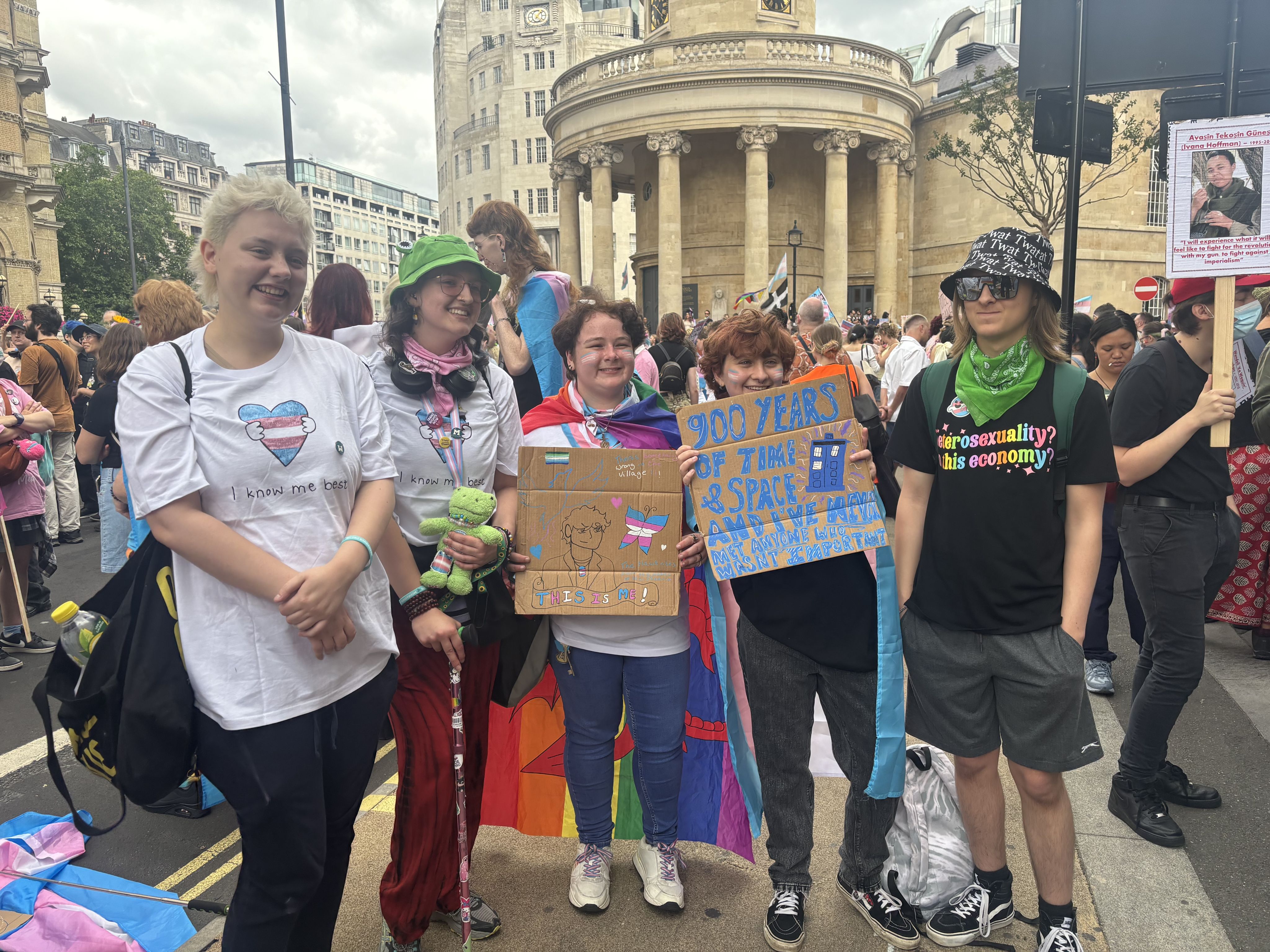
Kizzy at London Trans Pride with members of Mermaids Youth Advisory Panel, Kai (18), Eli (19) and Taylor (18), and Taylor's boyfriend Luke (18)
Kizzy at London Trans Pride with members of Mermaids Youth Advisory Panel, Kai (18), Eli (19) and Taylor (18), and Taylor's boyfriend Luke (18)
Seamus' Story

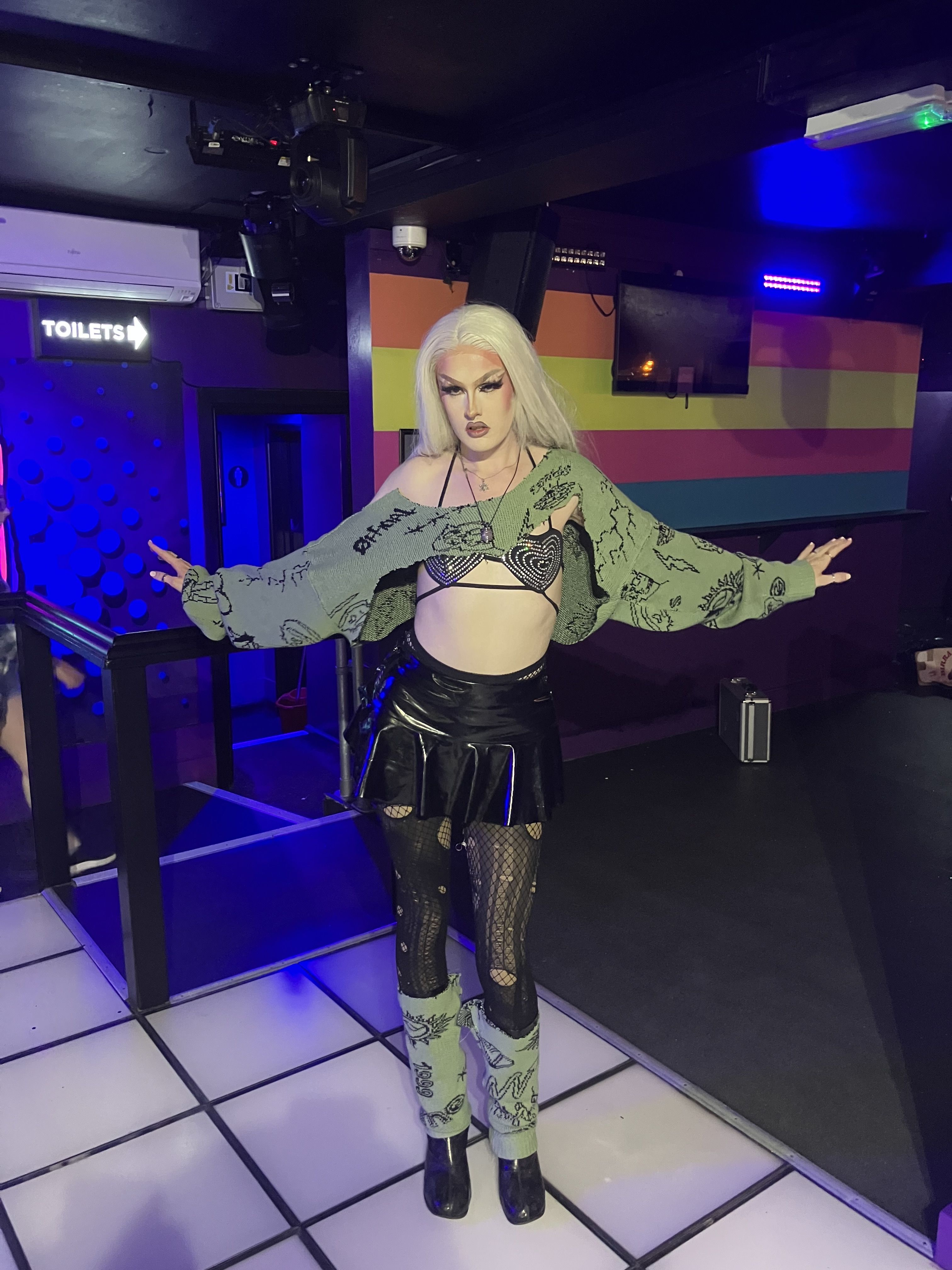
For Seamus Bonner, aged 22, known professionally as just Seamus (stylised as SMXS), growing up as the self-confessed “fat gay kid” at a school in a primarily working-class area of Cheltenham was nothing short of challenging.
“Because I was bullied really badly in school, my expression was a lot quieter,” they said. “My school was very working-class, but next to us was one of the best grammar schools in the country. So, when you have teachers trying to push you at grammar school level when you haven’t had those same opportunities, that academic pressure led to competition and as a bigger gay kid, I was the perfect punching bag to take out that pressure on.”
The combination of the bullying they faced, and trying to understand their sexuality and gender identity had a massive impact on their mental health. “When you’re dealing with all of these things at the same time, it will end up dwindling on your mental health” they said.
These days, Seamus is one of the most popular drag queens in Cheltenham, holding a regular residency in two venues. Known professionally as SMXS, they have been performing in full drag for 3 years and have had their sights set on it since they were 14, but the catalyst for pursuing this dream came in 2020, when their mum passed away. On the day of her funeral, Seamus received a letter she had written telling them they ‘were born to be a star, so go be it’- so they did, continuing to honour these words from their mother with their signature star eye makeup to this day. “Without sounding too cringy, it really makes you realise how sacred life actually is,” they said, ‘and it made me realise that you do only get one life, so you’ve got to live it how you want to.”
After the way they grew up, Seamus is used to walking around with ‘eyes on the back of their head’, and this is something they feel a lot of other trans and queer people are doing ‘now more than ever’. A study by The Independent last year found that scepticism around trans rights has grown among the British publish since 2022, with 33% of Britons believing that trans people should not be able to change either their social or legal gender, up 10% from 2022.
“I am noticing through work that since the Supreme Court decision, people are disappearing left and right,” they said, “and they’re disappearing because they aren’t going outside, but with that people won’t be able to work, and then they’ll lose money and access to services, and then I fear we’ll start to see fatalities as a result, so it’s more important than ever to speak up, because none of us can afford to be complacent anymore.”
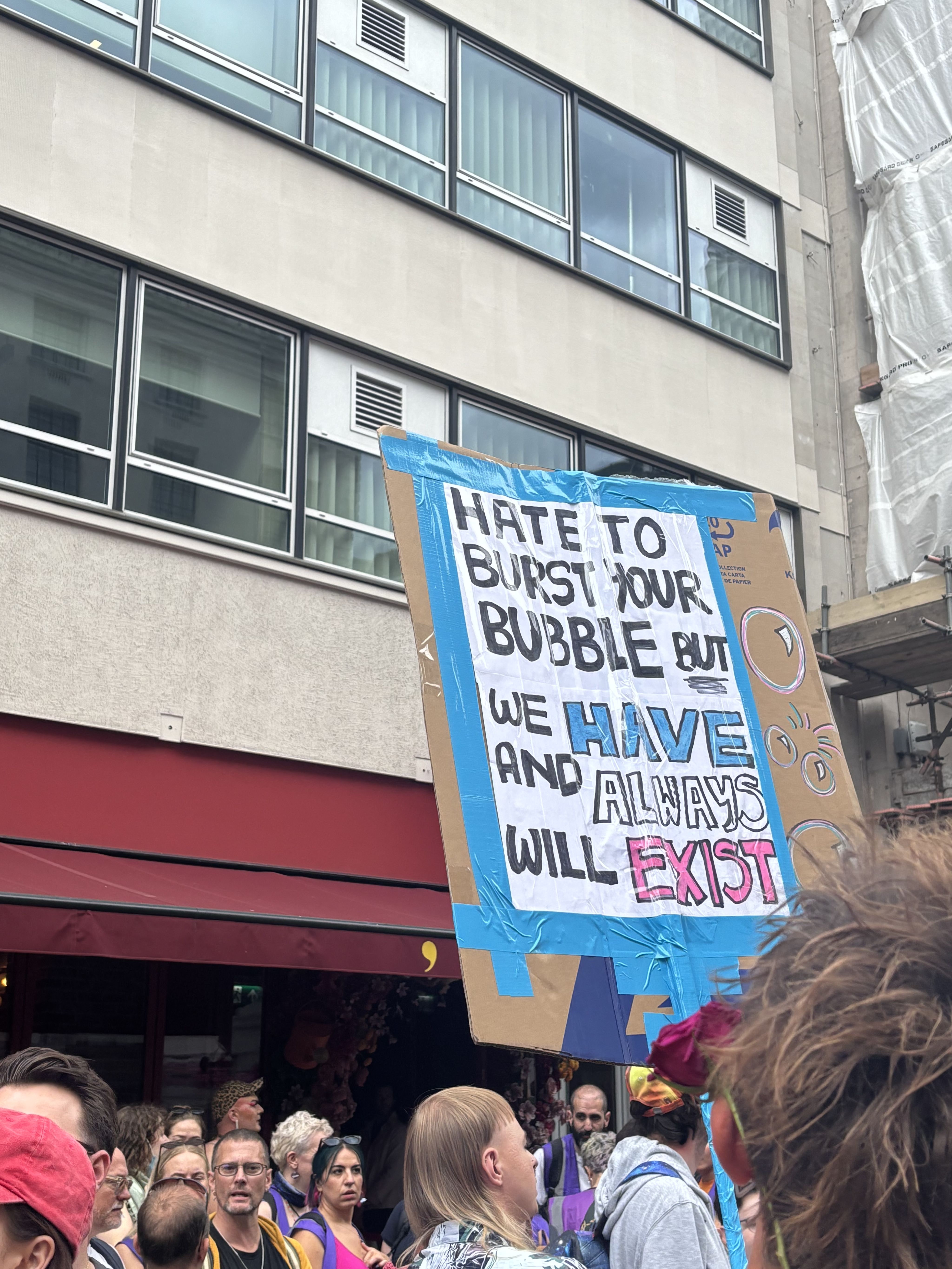
After the Supreme Court ruling on biological sex was introduced in April 2025, hundreds of trans rights demonstrations were organised across the UK in protest. When Seamus learned that one had not been organised in Cheltenham, they took matters into their own hands to organise it themselves. The protest that took place in April drew crowds of 600, which aimed to push back against rulings that many have described as ‘reminiscent of Section 28’.
“I have noticed that where there’s more fear, there’s more love,” Seamus explained, “and there is more positivity there because people are coming together and finding community in the face of fear.”

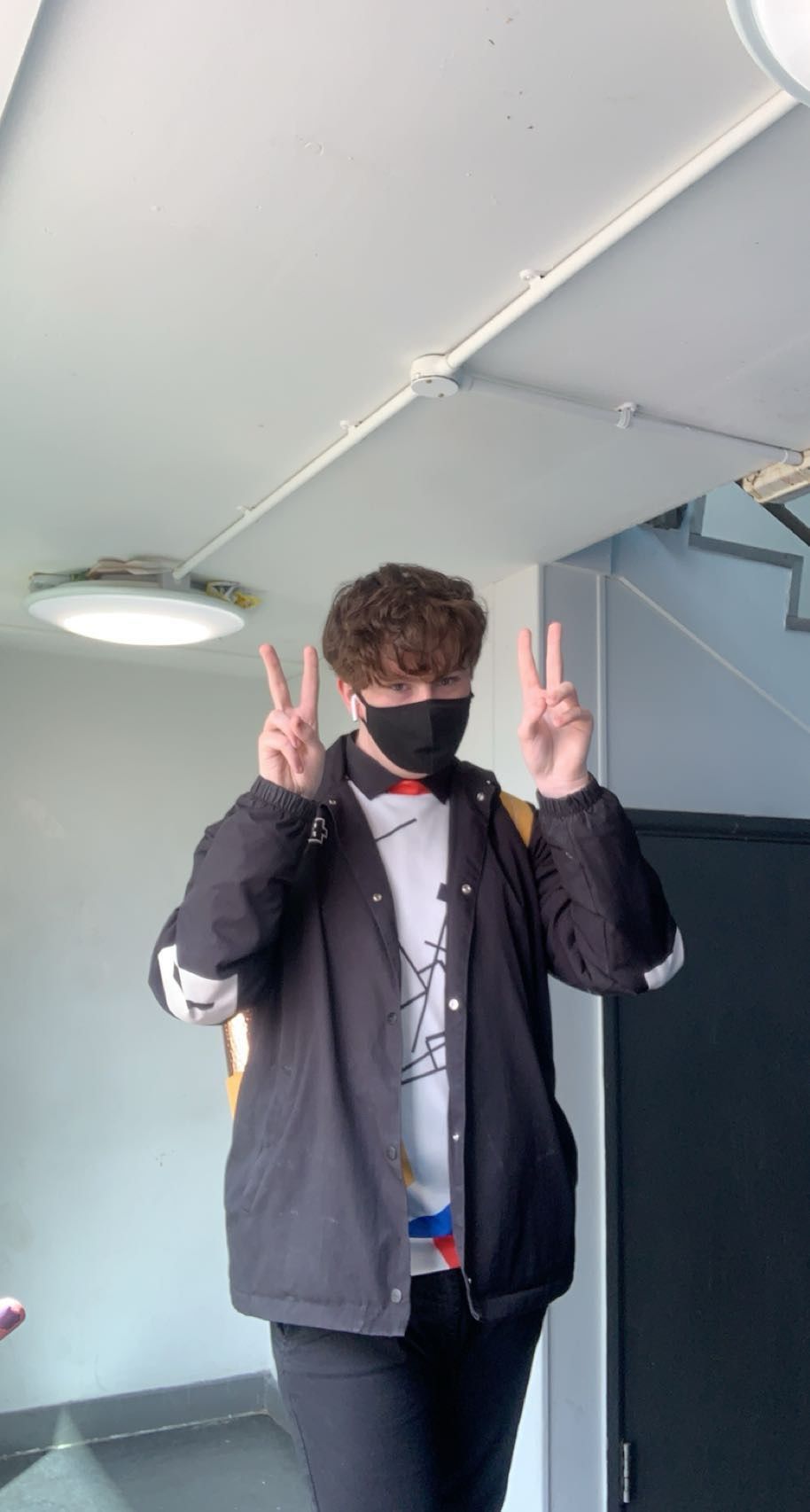
Seamus aged 16
Seamus aged 16

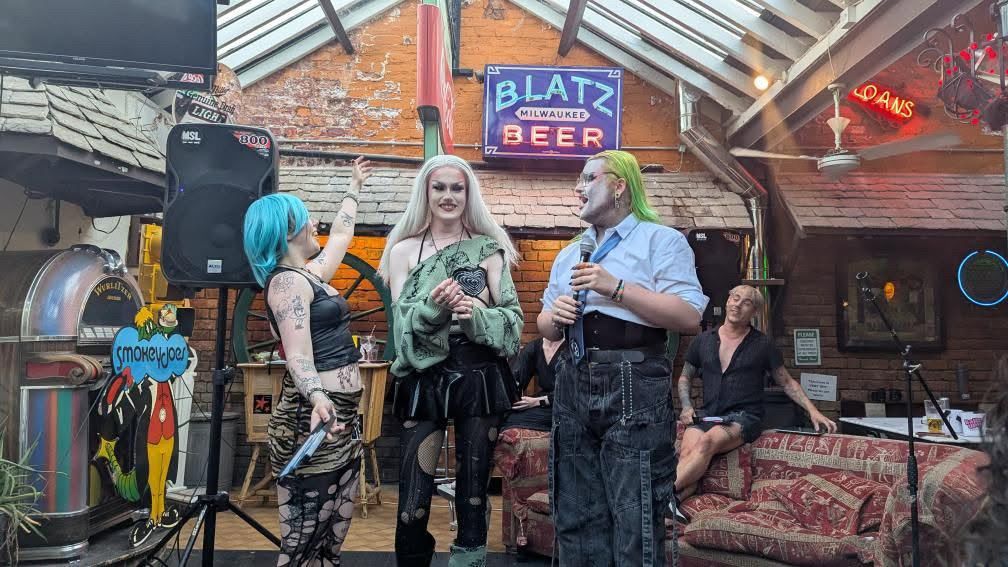
Seamus at Smokey Joe's Cheltenham, where they have had a residency for 3 years, with drag queens ScaryLiv and BrickyDoll
Seamus at Smokey Joe's Cheltenham, where they have had a residency for 3 years, with drag queens ScaryLiv and BrickyDoll

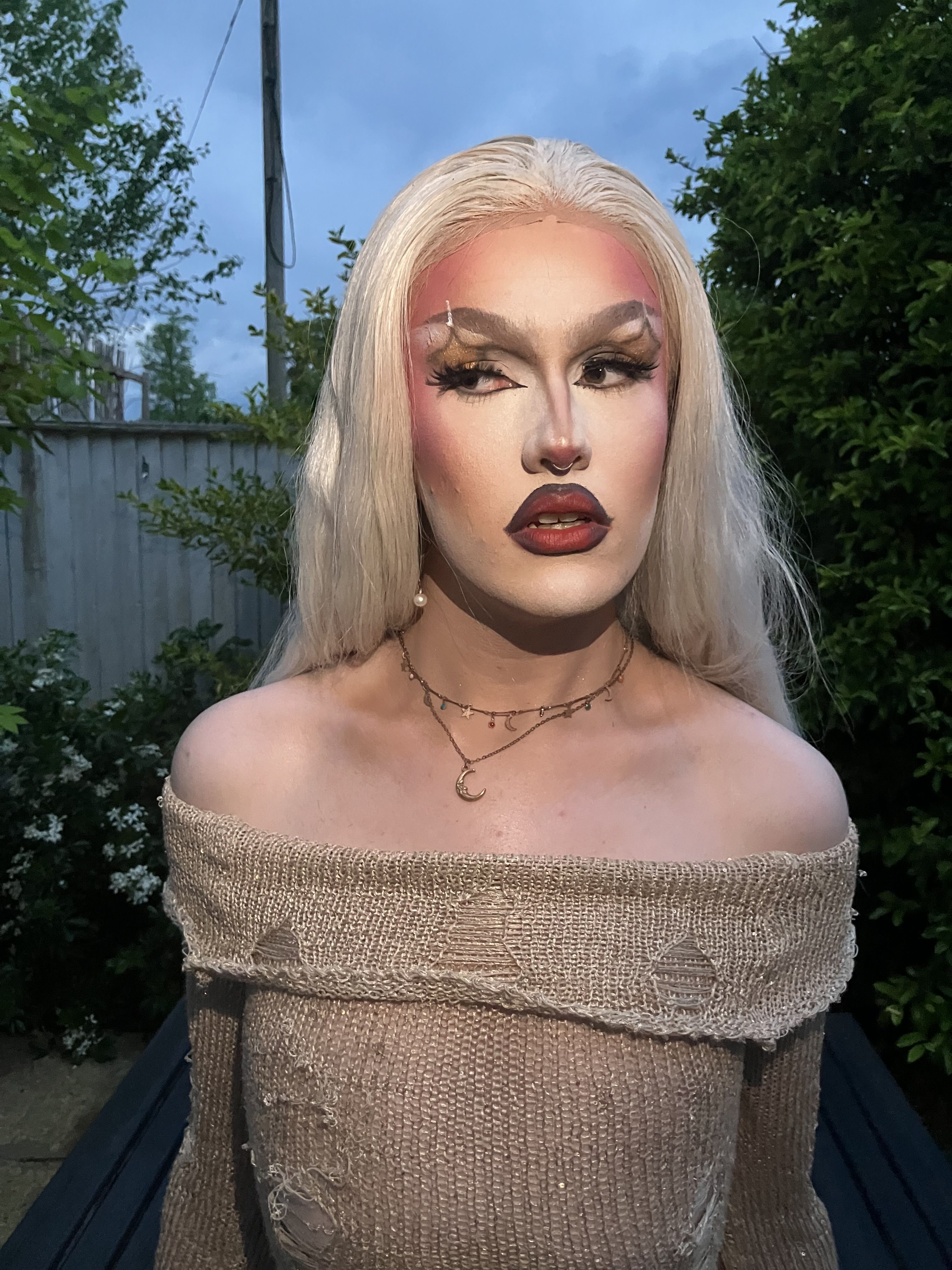
Seamus in drag with their signature star eye makeup, inspired by their late mum (Photography: @mel_photog on Instagram)
Seamus in drag with their signature star eye makeup, inspired by their late mum (Photography: @mel_photog on Instagram)
Seamus working a DJ set at local venue Frog & Fiddle with their friend Liv
What makes you proud?


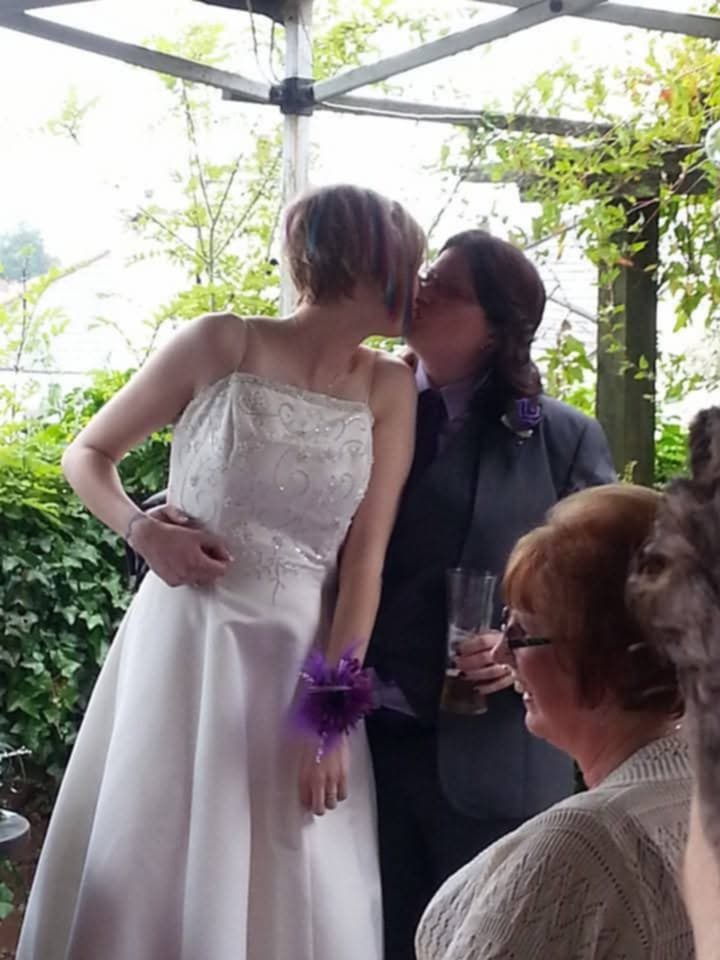
Tracie and Sarah at their wedding
Tracie and Sarah at their wedding

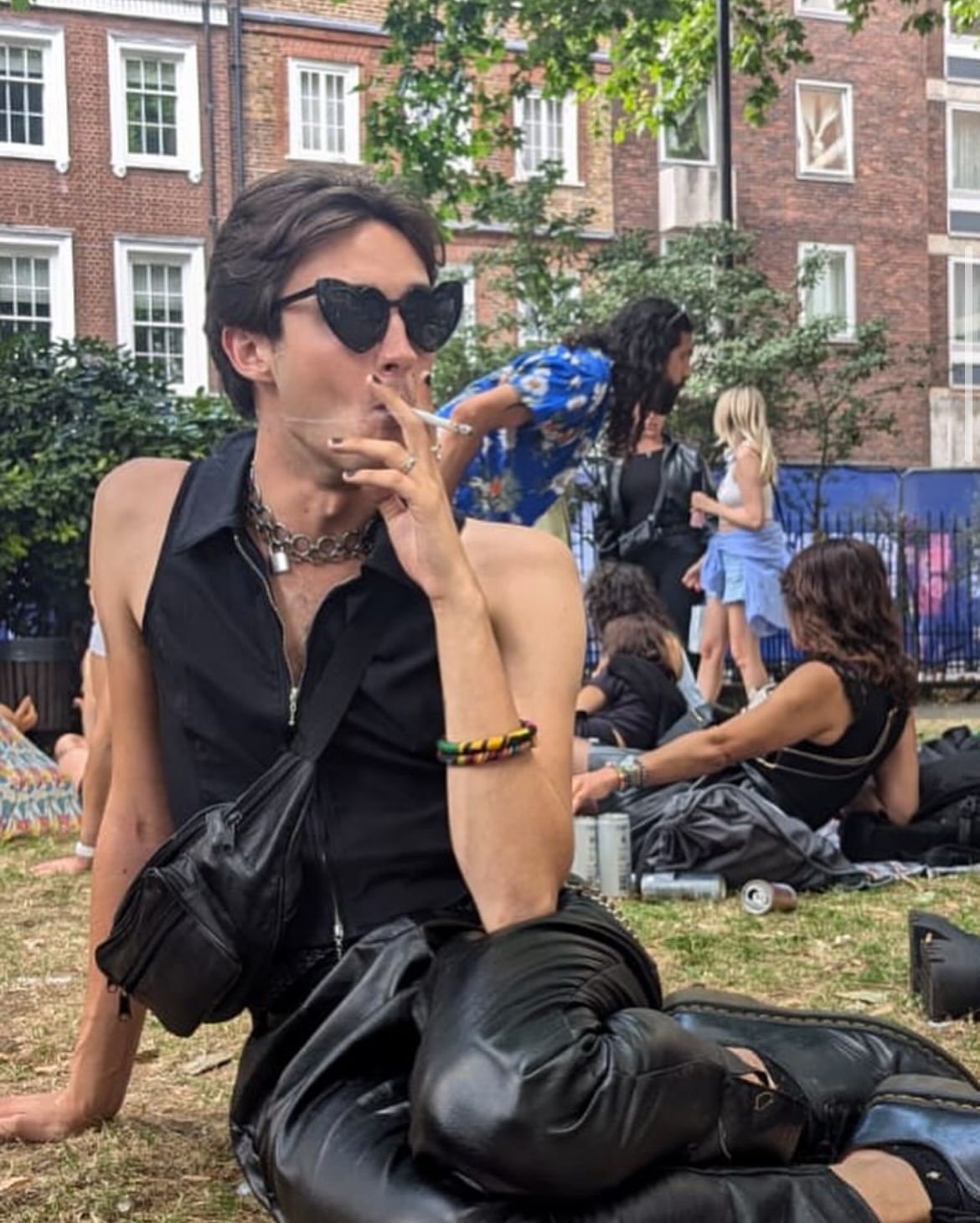
Kit at London Pride
Kit at London Pride

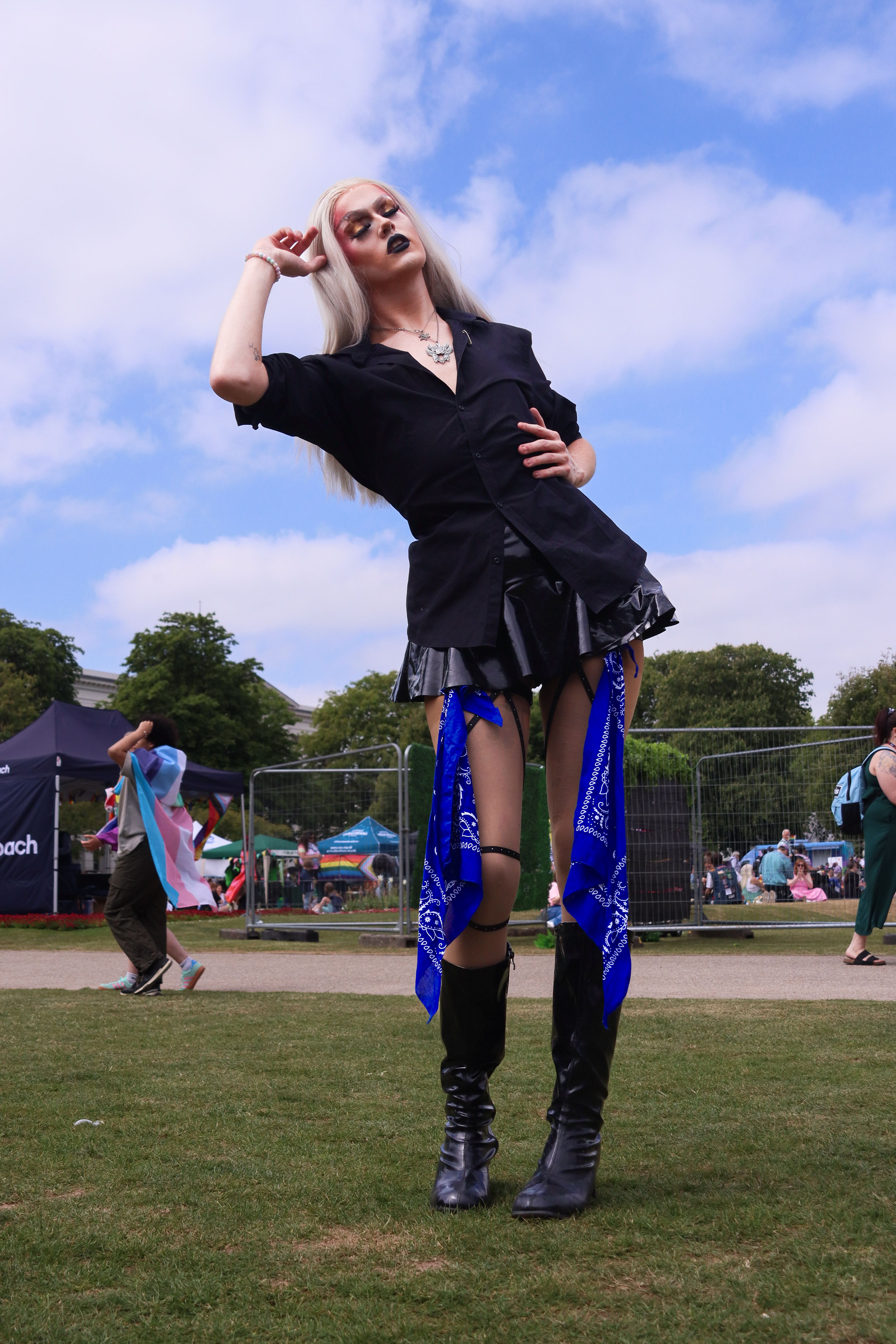
Seamus at Cheltenham Pride (Photography: @shotsby_bean on Instagram)
Seamus at Cheltenham Pride (Photography: @shotsby_bean on Instagram)

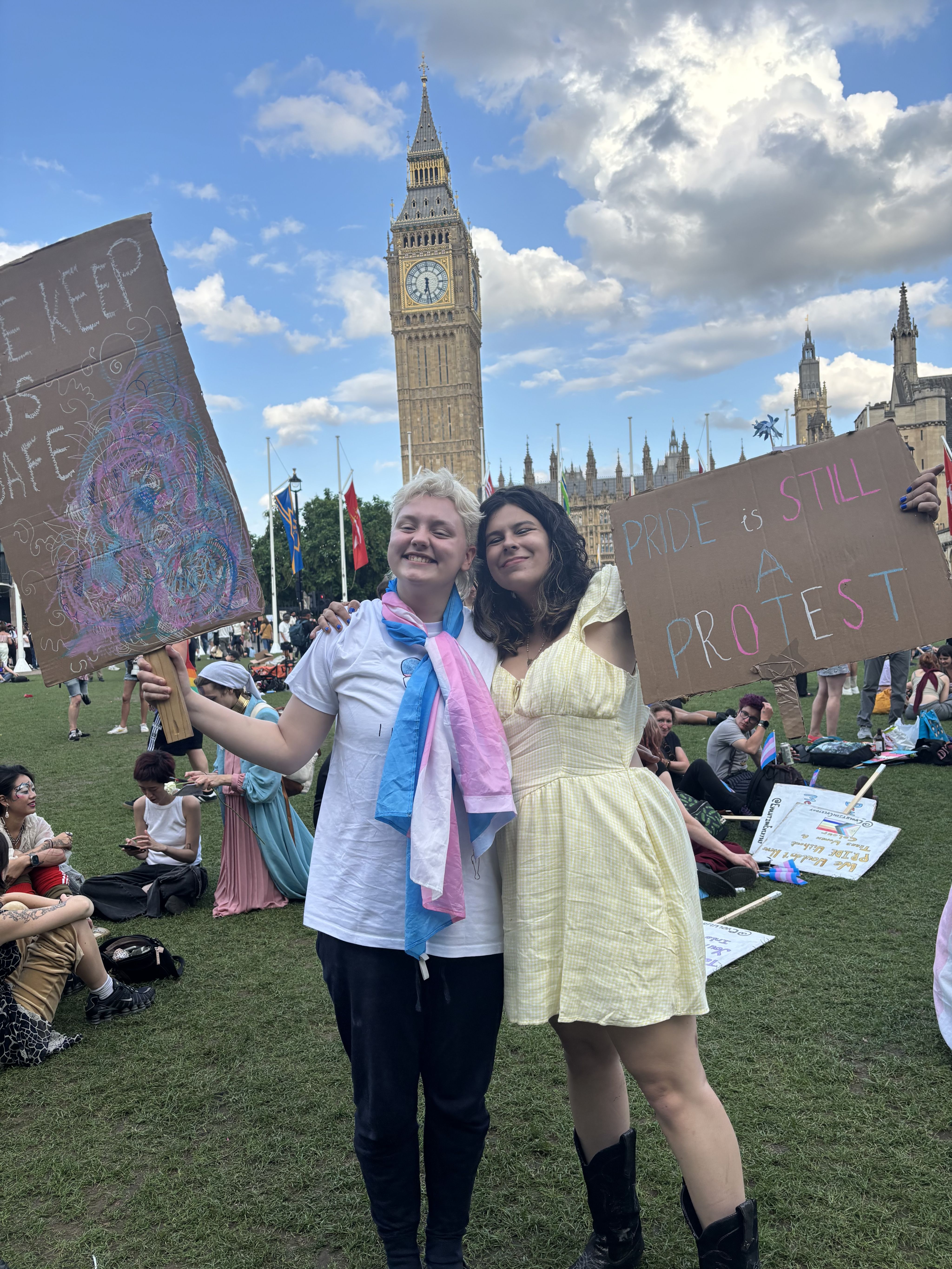
Kizzy and writer Mae at London Trans Pride 2025
Kizzy and writer Mae at London Trans Pride 2025
Since coming out in the early 2000s, Tracie Bawden, aged 45, has watched the world become generally much more tolerant of the LGBTQ+ community. Having raised multiple children with her wife Sarah in Cornwall, she is used to well-meaning yet insensitive questions about her children’s parentage, but the current backslide in tolerant attitudes has made her more “loud and proud” than ever.
“With how things are now, I want to be able to counteract it by saying ‘this is who I am and I’m proud of it’ and fight for it,” she said. “And my proudest moment, by far, was when I married my wife.”
Kit’s pride comes from being proud of everything; his achievements, but also his failures. “I think just to exist as a queer person is something to be proud of”, he reflected, “because you are born into a world that is against you and in spite of that, you have triumphed.”
For Seamus, the Trans Rights Protest is a source of huge pride in not only themself, but their community. “Just the sheer number of people who showed up blew me away,” they said, “I didn’t expect it at all and it was shocking to see how many people cared. It proved to me that although its cheesy, love really does always win.”
With things as they are, Kizzy struggles to really find pride in himself. He does admit though that their younger self would be immensely proud of him, and sees them in the kids they visit in schools on work trips. “I see these kids with moppy emo hair and DIY backpacks,” he said, “and I just hope really hard for them, and for me, that everything will be alright.”
 Built with Shorthand